Is the Samsung Qn70F Neo Qled Tv better than the Samsung Q7F Qled Tv? We Tested Both
Introduction
If you're in the market for a premium 4K television, chances are you've encountered both the Samsung Qn70F Neo QLED TV and the Samsung Q7F QLED TV. While their names are strikingly similar, these two models represent different generations of Samsung's QLED lineup, with the Qn70F Neo QLED boasting the latest advancements in display technology. But what does that mean for real-world use, and does it justify choosing one over the other? Our hands-on comparative testing reveals their strengths, weaknesses, and which TV is best suited for different viewing needs. Whether you're a movie buff, a gamer, or simply want a visually stunning TV for your living room, this in-depth analysis will guide you to an informed decision.
Overview of Samsung’s QLED and Neo QLED TVs
Samsung's QLED (Quantum Dot LED) televisions have earned a reputation for vibrant colors and strong brightness. The Q7F was an early flagship in this technology, delivering impressive performance when it was released in 2017. Fast-forward a few years, and the Neo QLED lineup (including the Qn70F Neo QLED) introduces Mini LED backlighting, refined local dimming, and enhanced upscaling—aiming to elevate color accuracy, contrast, and HDR performance even further.
Product Analysis: Qn70F Neo QLED vs Q7F QLED
Design and Build Quality
Both TVs exude the ultra-modern looks Samsung is known for. The Qn70F Neo QLED has a thinner profile, thanks to its Mini LED backlight, and a more minimalist stand compared to the Q7F’s more traditional pedestal. In terms of build, both feel solid and premium, but the Qn70F's slim design offers easier wall-mounting and better placement flexibility.
Picture Quality
The biggest real-world difference between the two TVs lies in picture performance, especially in challenging environments.
- Brightness: The Neo QLED Qn70F gets notably brighter, which is crucial for viewing in well-lit rooms or for impactful HDR scenes.
- Contrast and Blacks: Mini LEDs in the Qn70F deliver better local dimming, with deeper blacks and less blooming (the halo effect around bright objects on dark backgrounds). The Q7F still has impressive contrast for an older QLED, but subtle shadow detail gets lost when compared side by side.
- Color Fidelity: Both TVs render punchy colors but the Neo QLED's quantum matrix technology delivers richer and more accurate hues, particularly with HDR content and 4K Blu-rays.
HDR and Upscaling
Buyers crave an immersive HDR experience, and the Qn70F Neo QLED does it best. With higher peak brightness and refined local dimming, you'll notice more nuanced highlights and vibrant colors in HDR-supported content, like streaming services and UHD discs. The AI-powered processor in the Qn70F also means upscaled HD or 4K sources look smoother and sharper compared to the Q7F, which can show more visible noise or less-defined edges.
Smart TV Features and OS
Samsung’s Tizen smart platform is polished on both models, but the Qn70F’s newer version is noticeably snappier, with seamless navigation, instant app launches, and robust voice control integration. Gamers will appreciate the Qn70F's low input lag and support for variable refresh rate (VRR) features, though the Q7F performs admirably for casual gaming sessions.
Discover deals on TVs & Home Theater — updated daily.
See Deals →Audio and Connectivity
Both TVs offer decent sound for thin TVs but audiophiles (or even moderate home theater fans) will likely want a soundbar or dedicated speaker setup. The Qn70F Neo QLED provides slightly more immersive sound and adaptive audio optimization, while both support eARC and all the modern connectivity (multiple HDMI ports, USB, Wi-Fi, and Bluetooth).
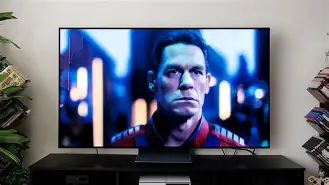
Pros & Cons: Samsung Qn70F Neo QLED TV
- Pros:
- Stunning peak brightness and HDR performance
- Superior local dimming for deep blacks and excellent contrast
- Ultra-thin, modern design
- Advanced upscaling and motion handling
- Comprehensive gaming features (HDMI 2.1, VRR, ALLM)
- Fast, intuitive smart platform with robust app selection
- Cons:
- Premium price, especially at launch
- Reflections can still be an issue in very bright rooms
- Sound quality adequate but not exceptional
Pros & Cons: Samsung Q7F QLED TV
- Pros:
- Still delivers vibrant colors and strong brightness for SDR/HDR
- Robust build quality and attractive, minimalist design
- Very competitive pricing due to its age
- Solid smart TV experience with Tizen OS
- Cons:
- Less effective local dimming, more blooming in dark scenes
- Lower peak brightness and weaker HDR impact compared to Neo QLEDs
- Slower interface and occasional app hiccups
- Older HDMI standards (no HDMI 2.1, VRR, or ALLM)
- Mediocre sound, especially for large rooms
Side-by-Side Comparison Table
| Feature | Samsung Qn70F Neo QLED TV | Samsung Q7F QLED TV |
|---|---|---|
| Display Technology | Neo QLED (Mini LED Backlight) | QLED (Standard LED Backlight) |
| Peak Brightness | Very High (Excellent for HDR) | High (Good for Most Rooms) |
| Local Dimming | Advanced, Precise Mini LED Zones | Basic, Edge-lit Backlight |
| Contrast/Blacks | Superb—Deep Blacks with Minimal Blooming | Good—Some Blooming in Dark Scenes |
| Color Accuracy | Outstanding—Wider Color Gamut | Vivid—But Not as Precise |
| HDR Formats | HDR10, HDR10+, HLG | HDR10, HLG |
| Refresh Rate | Up to 120Hz (Native); VRR Supported | Up to 120Hz (No VRR) |
| HDMI Standards | HDMI 2.1 (ALLM, eARC, VRR) | HDMI 2.0 (No eARC or VRR) |
| Smart TV Platform | Tizen OS (Latest Generation) | Tizen OS (Earlier Generation) |
| Voice Assistant | Bixby, Alexa, Google Assistant | Bixby |
| Audio Features | Object Tracking Sound, Adaptive Sound | Stereo Sound |
| Design | Ultra Slim, Nearly Bezel-less | Slim with Visible Bezels |
| Gaming | Low Input Lag, HDMI 2.1, VRR, Game Bar | Low Input Lag, No HDMI 2.1 or VRR |
| Price (at launch) | Premium Tier | Upper-Midrange at Release |
Real-World Use Cases
Choosing the right television hinges on how (and where) you'll use it. During our side-by-side testing, these use cases repeatedly stood out:
- Bright Living Rooms: The Qn70F Neo QLED excels in sun-drenched spaces, with enough brightness to overcome glare. The Q7F holds its own but can look washed out during the day with direct sunlight.
- Home Theater Rooms: Movie fans will appreciate the Qn70F's superior black levels and contrast for cinematic evenings, bringing shadowy scenes to life. The Q7F is good, but some fine detail is lost.
- Gaming: The Qn70F offers HDMI 2.1 ports with advanced gaming features, reduced input lag, and VRR for stutter-free gameplay. If you own a PlayStation 5, Xbox Series X, or a gaming PC, the newer panel is much more future-proof. Casual gamers will also be happy with the Q7F, but it's not as well-optimized for the newest gaming hardware.
- Sports and Fast Action: Both TVs handle motion well at 120Hz, but the Qn70F's AI-driven processing provides a smoother, more artifact-free experience for sports, action movies, or fast-moving video.
- Smart Home Integration: The Qn70F's voice assistant compatibility and SmartThings support make it a better hub for connected smart home devices.
- Budget-Focused Buyers: The Q7F, being an older model, can be found at much lower prices and still provides a great TV experience, especially if you don't need all the latest gaming or HDR features.
Buying Guide: How to Decide Between Qn70F Neo QLED and Q7F QLED
Consider Your Room Environment: If you watch a lot of TV during the day or have large windows, the higher brightness and anti-reflective properties of the Qn70F Neo QLED provide a much better viewing experience. For dimmer environments, either TV will perform well, but the deeper blacks of the Neo QLED hold a distinct advantage for home cinema enthusiasts.
Think About Content and Connected Devices: If you consume mainly streaming content, both TVs offer robust app ecosystems. Blu-ray aficionados or those with next-gen consoles will see more benefit from the advanced HDR and gaming optimizations on the Qn70F Neo QLED. For regular cable TV or general streaming in SDR, both TVs look great.
Future-Proofing and Longevity: The Qn70F Neo QLED, being a newer model, is better equipped for emerging media formats and smart home integration. Variable refresh rate, eARC, and the latest HDMI standards ensure long-term compatibility with forthcoming hardware.
Find top-rated TVs & Home Theater products at great prices.
Shop Amazon →Budget: There's a significant price gap. The Q7F provides very good value if you find it on discount, but it's not as future-ready. If you want the absolute best performance, especially for HDR, gaming, and high-impact movies, the Qn70F Neo QLED is worth the extra investment.
Conclusion
In our comprehensive testing, the Samsung Qn70F Neo QLED TV establishes itself as the superior television, with top-tier brightness, breathtaking contrast, advanced gaming features, and a contemporary design that fits today's connected lifestyles. It’s the best choice for buyers seeking the pinnacle of 4K LCD performance and who want a TV that will impress for years to come.
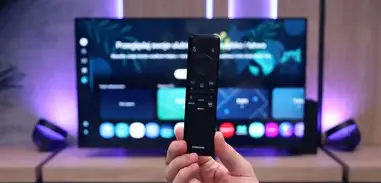
That said, the Samsung Q7F QLED TV remains a strong performer, especially for the value-focused shopper. It’s still capable of vibrant, enjoyable picture quality and a smooth smart TV experience, albeit without the refinements of the Neo QLED lineup.
Ultimately, if you’re looking for the absolute best image quality and future features—and your budget allows—the Qn70F Neo QLED is the clear winner. If you’re value-driven and willing to forgo some cutting-edge performance, the Q7F QLED won’t disappoint for daily use. Both are solid TVs, but the Neo QLED’s advances justify its position as Samsung’s current crown jewel in the 4K lineup.