Don't Buy the Glycerin Max 2 Running Shoe Until You Read This Full Analysis
Introduction
The Glycerin Max 2 running shoe has attracted attention among neutral trainers seeking plush cushioning and everyday comfort. As a follow-up to a lineage known for soft rides, this model promises maximum cushioning and a smooth ride for longer miles and recovery runs. This article provides an in-depth, practical analysis aimed at buyers who want more than marketing copy: real-world performance, what typical buyers care about, and guidance to decide whether this shoe fits their training, gait, and lifestyle.
At-a-Glance: What the Glycerin Max 2 Tries to Deliver
The Glycerin Max 2 positions itself as a daily trainer for runners who prioritize cushioning and comfort over sharp responsiveness. Key selling points usually include a voluminous midsole designed to absorb impact, an upper intended to balance structure and softness, and a geometry that promotes a smooth heel-to-toe transition. In practical terms, the shoe aims to be a go-to for long easy runs, recovery days, and runners who want a plush feel underfoot without a heavy, clumsy platform.
Detailed Product Review and Analysis
Upper and Fit
The upper of the Glycerin Max 2 leans toward comfort-first design. Most wearers report a roomier toe box compared with performance-focused trainers, which benefits those who experience toe splay over longer distances. Materials tend to be soft and adaptive rather than rigid, reducing hot spots during extended use. The heel collar usually has generous padding to enhance comfort but can feel bulky to runners who prefer a minimalist surround.
Fit is typically true to size for many neutral runners, but because of the shoe's plush midsole and slight volume in the forefoot, those with narrow feet may need to try on a half-size down or test different lacing strategies. People with wide feet often appreciate the extra space, but a lace lock or supportive midfoot layer may be necessary to prevent slippage during faster efforts.
Midsole and Cushioning
Cushioning is the Glycerin Max 2’s headline feature. The midsole is designed to provide abundant shock absorption and a soft landing that appeals to runners logging high weekly mileage or those recovering from harder workouts. In everyday runs, the shoe delivers a pillowy sensation that reduces perceived impact, which can be especially helpful on long, repetitive surfaces such as asphalt.
That said, large-volume cushioning tends to prioritize plushness over responsiveness. Runners who favor snappy toe-offs or quick turnover may find the shoe sluggish during tempo runs or intervals. The Glycerin Max 2 is best described as comfort-oriented rather than performance-driven.
Outsole and Traction
The outsole is typically built for durability and predictable traction on road surfaces. Rubber coverage is concentrated in high-wear zones to extend life, and the outsole pattern is designed for consistent grip in dry and mildly wet conditions. It is not a trail shoe, and buyers should avoid loose gravel, muddy paths, or technical terrain where tread and rock protection matter.
Ride and Transition
The shoe emphasizes a smooth, gliding transition from heel strike to forefoot. Geometry and midsole shaping facilitate a rolling motion intended to reduce abrupt stress on joints during long runs. The trade-off is that the ride can feel dampened, with less instantaneous energy return than in more responsive trainers. This design choice benefits runners who need to prioritize recovery, long-distance comfort, or joint-friendly cushioning.
Stability and Support
Glycerin Max 2 is aimed at neutral runners. It provides passive stability through midsole geometry rather than active motion-control elements. Runners with mild overpronation who rely on stability features may need to consider structured alternatives or orthotics. Conversely, neutral runners and underpronators will appreciate the neutral platform and the roomy gait it affords.
Shop the latest Electronics picks on Amazon.
Browse Now →Breathability and Comfort Over Time
The upper materials lean toward comfort and insulation, which keeps feet cozy on cooler runs but can feel warmer during hot-weather training. Breathability is adequate for moderate temperatures, but those who train in high heat or humidity might prefer a more ventilated trainer. Break-in time is generally short: most runners report minimal rubbing after a few short runs.
Durability and Construction Quality
Given the focus on cushioning, outsole rubber coverage and upper reinforcement are balanced to extend usable miles. Expectations should be managed: the plush midsole can compress over time under heavy mileage, so those who run high weekly distances should monitor midsole compression as part of their replacement cycle. Stitching, overlays, and material joins typically reflect mainstream production quality for this segment.
Real-World Use Cases
- Long easy runs and endurance training: The Glycerin Max 2 excels where cushioning and comfort reduce fatigue over long distances on roads.
- Recovery and easy days: Its soft ride helps runners bounce back between harder sessions.
- Everyday wear and standing jobs: People who are on their feet for many hours may find the plush midsole helpful for comfort.
- Treadmill miles: The soft cushioning is forgiving on repetitive treadmill impacts, but some may miss responsiveness for faster treadmill workouts.
Pros & Cons
- Pros
- Exceptional cushioning: Provides a comfortable, low-impact ride that soothes joints and reduces perceived effort during long runs.
- Roomy fit: Accommodating toe box is friendly to runners who need more forefoot space.
- Smooth transition: Geometry promotes a rolling gait that can ease long-distance discomfort.
- Versatile for low-intensity use: Works well for recovery runs, walking, and everyday wear.
- Cons
- Less responsive: Not ideal for tempo workouts, track intervals, or runners who want a snappy toe-off.
- Potentially heavy for speed work: The maximal cushioning can feel cumbersome during faster paces.
- Warm in hot conditions: Upper materials may not be the most breathable for summer training.
- Not a stability shoe: Neutral platform may not suit runners who need motion control.
Comparison Table
| Feature | Glycerin Max 2 | Brooks Ghost (Neutral Daily Trainer) | Nike Pegasus (Neutral Daily Trainer) |
|---|---|---|---|
| Cushioning | Very plush, emphasis on impact absorption | Balanced cushioning with predictable feel | Responsive with a springier feel |
| Fit | Roomy toe box; comfortable collar padding | Regular fit; secure midfoot | Snuger fit through midfoot and forefoot |
| Ride | Smooth, rolling, comfort-focused | Stable, neutral ride suitable for varied paces | Faster-feeling, versatile for speed and distance |
| Best Use | Long easy runs, recovery, all-day wear | Daily training, long runs, moderate tempo | Daily training, intervals, tempo runs |
| Breathability | Moderate; leans warm | Good ventilation | Good ventilation with engineered mesh |
| Stability | Neutral platform; passive stability | Neutral with secure fit | Neutral; some models include stability options |
| Durability | Designed for routine mileage; monitor midsole compression | Reliable outsole and midsole longevity | Good durability; outsole compounds vary by model |
Buying Guide: How to Decide if the Glycerin Max 2 Is Right for You
1. Understand Your Running Needs
Decide what role the shoe will play in a typical training week. If the priority is long, easy miles and comfort on recovery days, the Glycerin Max 2 fits that role well. If the goal is a single shoe that handles intervals, tempo runs, and race paces, a more responsive trainer may be a better match.
2. Consider Your Foot Shape and Fit Preferences
Runners who need extra forefoot space will appreciate the Glycerin Max 2’s roomier toe box. Those with narrower feet should try the shoe on and experiment with lacing techniques; a snug tongue and lace lock can mitigate midfoot slippage. When possible, try both full and half sizes in-store to determine whether the natural cushion requires a different fit than previous trainers.
3. Match Cushioning to Your Typical Surfaces
High-mileage road runners and treadmill athletes benefit from the shoe’s plush midsole. If training often occurs on mixed terrain, gravely paths, or technical trails, consider a dedicated trail shoe with more aggressive outsole lugs and rock protection.
4. Check Breathability Against Your Climate
For hot-weather runners, compare upper construction to more ventilated models. The Glycerin Max 2’s comfort-oriented upper may trap more heat than shoes engineered specifically for breathability.
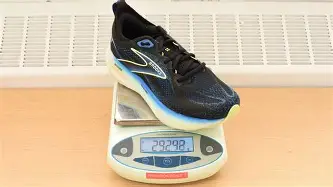
5. Evaluate Responsiveness vs Comfort
Test the shoe at different paces. On short shakeout runs, note how the shoe reacts at tempos and faster intervals. If the midsole feels too slow or heavy during quicker segments, reserve the Glycerin Max 2 for easy and long days and pair it with a lighter trainer for faster sessions.
6. Durability Expectations and Rotation Strategy
If weekly mileage is high, plan a rotation strategy. Cushioning-oriented shoes can compress faster under heavy loads; rotating to a secondary trainer or inserting occasional low-mileage, firmer shoes can extend overall footwear life. Inspect midsole recovery and outsole wear periodically—visible midsole creasing or rapid outsole flattening signals replacement time.
Discover deals on Electronics — updated daily.
View Offers →7. In-Store and At-Home Tests
- Walk and jog test: Spend at least 10–15 minutes walking and jogging in the shoe to evaluate midsole compression and fit under movement.
- Longer run trial: If possible, try a short long run (5–10 km) to experience breathability and fit over time.
- Mimic training conditions: Test at the pace and surface typical in your training to assess whether the ride and traction meet expectations.
Who Should Buy the Glycerin Max 2 — And Who Shouldn’t
The Glycerin Max 2 is well-suited to neutral runners, foot-traffic professionals, and anyone prioritizing plush cushioning over split-second responsiveness. It is a solid pick for long-distance road runners seeking comfort, people returning from minor load-related soreness, and runners who plan many easy weekly miles.
Conversely, it is not the top choice for competitive runners who demand a fast, responsive trainer for workouts and races, nor for those who require active stability features to manage significant overpronation. Trail runners, sprinters, and athletes needing highly ventilated uppers in extreme heat should look elsewhere.
Maintenance, Lifespan, and Replacement
To maximize lifespan, alternate the Glycerin Max 2 with another trainer if weekly mileage is high. Regularly clean the outsole to remove road grit that accelerates rubber wear, and allow wet shoes to air-dry fully before storing. Expect plush cushioning shoes to show midsole compression after several hundred miles; monitor comfort and responsiveness rather than relying solely on a mileage number for replacement.
Final Verdict and Conclusion
The Glycerin Max 2 is a thoughtfully engineered option for runners who prioritize comfort, cushioning, and a forgiving ride on easy and long runs. It shines in scenarios where impact protection and joint relief are top priorities: recovery weeks, high-mileage training cycles, and everyday use where standing and walking feature heavily. Its roomy fit and soft midsole create a welcoming platform for many neutral runners.
However, the shoe’s strengths are also its trade-offs. Less responsiveness, potential warmth in hot climates, and a neutral platform mean it will not satisfy every runner or every workout. The best approach is to view the Glycerin Max 2 as a specialized tool: excellent for cushioning-focused days and recovery, but ideally paired with a second, more responsive trainer for speedwork and racing.
Buyers should test the shoe in conditions that mirror their typical training—surface, pace, and climate—pay attention to fit, and plan a rotation strategy if weekly mileage is high. With those considerations, the Glycerin Max 2 can become a reliable, comfortable component of a well-rounded running shoe wardrobe.