Biggest A20 Gen 2 Wireless Buying Mistakes (And How to Avoid Them)
The A20 Gen 2 Wireless headset represents a significant evolution in the mid-range gaming audio market. Designed for players who demand reliability without the premium price tag of flagship units, it has quickly become a staple for multi-platform gamers. However, as with any piece of specialized hardware, the buying process is fraught with potential pitfalls. Many consumers approach the purchase with misconceptions about compatibility, battery management, and audio profiles, leading to a user experience that doesn't quite live up to the hardware’s potential. Understanding the nuances of this specific generation of wireless technology is essential for ensuring that your investment translates into a competitive advantage and long-term comfort.
In this editorial analysis, we examine the common errors made during the acquisition and setup of the A20 Gen 2 Wireless. By looking at real-world use cases—ranging from competitive shooters where directional audio is paramount to long-form RPG sessions where ergonomic endurance is the priority—we can identify exactly where buyers go wrong. This guide is designed to provide a comprehensive roadmap for navigating the A20 ecosystem, ensuring that you avoid the most frequent complaints and maximize the performance of this versatile headset.
Detailed Product Analysis: The A20 Gen 2 Wireless Ecosystem
To understand the buying mistakes associated with the A20 Gen 2, one must first understand what the device actually is. Unlike many Bluetooth-heavy consumer headphones, the A20 Gen 2 utilizes a 2.4GHz wireless signal. This is a critical distinction for gamers. While Bluetooth is convenient for mobile use, it often introduces latency—a delay between the on-screen action and the sound hitting your ears. The A20 Gen 2 bypasses this by using a dedicated USB transmitter, providing a "lag-free" experience that is vital for fast-paced titles like first-person shooters or rhythm games.
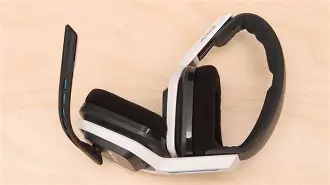
The headset features a lightweight design characterized by flexible materials and durable construction. This generation has moved away from the more brittle plastics of older models, opting instead for a frame that can withstand the rigors of daily travel or accidental drops. The audio signature is tuned specifically for gaming, emphasizing the frequencies occupied by footsteps, weapon reloads, and voice chat. However, this specialized tuning is often a source of confusion for those expecting a "balanced" hi-fi music experience. The A20 Gen 2 is a tool built for a specific purpose: gaming dominance.
Connectivity is handled via the aforementioned USB transmitter, which acts as the bridge between the console or PC and the headset. This transmitter is the heart of the most common buying mistakes. Because modern consoles have different security protocols for USB audio, there are specific versions of the A20 Gen 2 for different platforms. Buying the "wrong" version for your primary ecosystem is a mistake that is difficult to rectify without additional hardware, yet it remains the number one cause of product returns in this category.
The Biggest A20 Gen 2 Wireless Buying Mistakes
1. Ignoring Platform Specificity and the Transmitter Logic
The most frequent error is the assumption that "wireless is wireless." The A20 Gen 2 is sold in two primary SKUs: one designed for PlayStation systems and PC, and another designed for Xbox systems and PC. This is not merely a branding exercise or a choice of color accents. The Xbox version contains a specific security chip required by Microsoft for USB audio peripherals. If you buy the PlayStation version and try to plug the transmitter into an Xbox Series X, the console simply will not recognize the device as an audio output.
To avoid this, buyers must carefully check the packaging for the console-specific logos. Interestingly, the A20 Gen 2 is actually more versatile than people realize, but only if they understand how the transmitters work. You can buy a standalone transmitter for the "other" console later, but the initial purchase should always match your primary platform. Many buyers find themselves frustrated on launch day because they prioritized a specific color scheme (Blue for PS, Green for Xbox) over the actual hardware compatibility requirements.
2. Overestimating the Range in Dense RF Environments
The A20 Gen 2 boasts a range of roughly 15 meters (approx. 50 feet). While this is impressive on paper, real-world performance varies wildly based on the environment. A common mistake is assuming that this range is absolute. In a modern home filled with Wi-Fi routers, smart home hubs, and wireless kitchen appliances, the 2.4GHz spectrum can be extremely crowded.
Buyers who plan to use their headset in a room with the router positioned directly between the console and the seating area often experience "popping" or brief audio dropouts. To avoid this, it is recommended to use the included USB extender cables if available, or to ensure the USB transmitter has a clear line of sight to the headset. Failing to account for signal interference is a major cause of perceived "defective" units that are actually just struggling against local electronic noise.
Find top-rated Audio & Headphones products at great prices.
See Deals →3. Misunderstanding the "Flip-to-Mute" Mechanism
The A20 Gen 2 features a boom microphone that mutes automatically when flipped up into a vertical position. While this is an intuitive design, a frequent user error—and a buying mistake for those who prefer specific mic controls—is failing to realize there is no physical "mute button." If you are a streamer or a player who likes to keep the mic down but occasionally toggle mute via a button on the ear cup, this headset might not fit your workflow. Buyers often ignore the ergonomics of the microphone, leading to frustration when they realize they have to physically move the boom arm every time they want to cough or have a quick side conversation.
4. Neglecting the Importance of Firmware Updates
Many users take the headset out of the box, plug it in, and never think about software again. This is a critical mistake. The A20 Gen 2 relies on its firmware to manage the handshake between the transmitter and the console. Bugs in early firmware versions could lead to issues with game/voice balance or battery reporting accuracy. Buyers often assume that if a headset sounds "off" or the volume wheel acts strangely, the hardware is broken. In reality, connecting the transmitter to a PC and running the official Command Center software for a five-minute update usually solves these issues. If you don't have access to a PC or Mac to perform these updates, you may be stuck with sub-optimal performance for the life of the product.
5. Expecting Traditional Bluetooth Functionality
Perhaps the most disappointing mistake for many buyers is the discovery that the A20 Gen 2 does not have Bluetooth built-in. It is a dedicated 2.4GHz wireless gaming headset. You cannot pair it with your smartphone to listen to music on the bus or take phone calls while gaming. Many consumers buy "wireless" headsets assuming they are universal. Because the A20 Gen 2 is so sleek, it looks like it could double as a pair of street headphones, but it is tethered to its USB dongle. If your use case requires a headset that can transition from a console at home to a phone on the go, the A20 Gen 2 is the wrong choice.
Pros and Cons of the A20 Gen 2 Wireless
- Pro: Ultra-Low Latency Performance: The 2.4GHz connection ensures that there is no audible delay between the gameplay and the audio, giving players a critical edge in competitive environments.
- Pro: Exceptional Battery Life: With over 15 hours of continuous play on a single charge, it easily outlasts the longest gaming sessions and features an auto-shutoff to preserve power.
- Pro: Cross-Platform Potential: By purchasing an additional USB transmitter, the same headset can be used across PlayStation, Xbox, and PC, making it a sustainable choice for multi-console owners.
- Pro: Lightweight Ergonomics: The use of fabric ear cushions and a flexible headband makes it one of the most comfortable headsets for users who wear glasses.
- Con: Lack of Simultaneous Audio: Unlike higher-end models, you cannot mix audio from a USB source and a Bluetooth source, as Bluetooth is entirely absent.
- Con: Micro-USB or Specialized Charging: While newer iterations have improved, ensuring you have the correct charging specifications is vital, as it does not support "fast charging" from high-wattage wall bricks.
- Con: Basic EQ Customization: The onboard EQ presets are helpful but lack the granular control found in more expensive software-driven audiophile headsets.
Direct Compatibility Comparison
To help navigate the transmitter confusion mentioned earlier, the following table outlines the compatibility of the two primary versions of the A20 Gen 2 Wireless.
| Headset Version | Primary Console Compatibility | PC/Mac Compatibility | Secondary Console Support |
|---|---|---|---|
| A20 Gen 2 (PlayStation) | PS4, PS5 (Full Support) | Native Support | Requires Xbox Transmitter (Sold Separately) |
| A20 Gen 2 (Xbox) | Xbox One, Series X|S (Full Support) | Native Support | Requires PS Transmitter (Sold Separately) |
Buying Guide: How to Choose Your A20 Gen 2 Setup
Before pulling the trigger on a purchase, prospective owners should conduct a quick audit of their gaming environment and habits. This buying guide section breaks down the decision-making process into three distinct pillars: hardware ecosystem, physical environment, and audio expectations.
Evaluate Your Ecosystem
If you own both a PlayStation and an Xbox, the "mistake" is often buying two separate headsets. Instead, the smartest way to buy the A20 Gen 2 is to purchase the Xbox version first. Because the Xbox version is the one that requires the specialized security chip in the transmitter, it is often seen as the more "complex" unit. You can then purchase a standalone PlayStation transmitter. This allows you to use a single, comfortable headset for both consoles by simply moving the headset between rooms or switching the transmitter. It saves money and reduces clutter in your setup.
Assess Your Ergonomic Needs
The A20 Gen 2 uses cloth/fabric ear pads rather than leatherette. If you play in a hot environment or find that your ears sweat during long sessions, this is a major selling point. However, if you play in a noisy environment—perhaps a shared dorm room or a loud living room—the fabric pads do not provide much passive noise isolation. A common mistake is buying this headset for noisy environments and then being disappointed that you can still hear the television or people talking around you. Choose the A20 if breathability is more important than total silence.
Define Your Audio Use Case
Are you looking for a cinematic experience with deep, thumping bass for single-player epics, or are you looking for clarity to hear footsteps in a battle royale? The A20 Gen 2 is tuned for the latter. It has three on-headset EQ presets. The first is "Astro," which is a general-purpose gaming tune. The second is "Pro," which thins out the bass to emphasize high-frequency details like footsteps. The third is "Studio," which is flatter for media consumption. If you are an "audiophile" who wants to tweak every single decibel at 400Hz, you might find the A20 Gen 2 too restrictive. Knowing your tolerance for "presets versus customization" will prevent buyer's remorse.
Looking for the best Audio & Headphones deals on Amazon?
View Offers →Real-World Use Case: The Competitive Gamer vs. The Casual Player
To illustrate how these buying mistakes manifest, consider two different types of users. User A is a competitive Call of Duty player. They buy the A20 Gen 2 specifically for the 2.4GHz lag-free connection and the "Pro" EQ preset. They understand the platform-specific transmitter logic and ensure their firmware is updated. For them, the purchase is a success because the headset performs its specific task perfectly.
User B is a casual gamer who also wants a headset for their daily commute. They buy the A20 Gen 2 because it's wireless, only to realize they can't use it with their phone on the train. They also find that the "Pro" EQ makes their favorite music sound "tinny" because it’s reducing bass to help hear footsteps—a feature they don't actually need. User B made the mistake of buying a specialized tool for a general-purpose problem.
This highlights the importance of matching the product to the lifestyle. The A20 Gen 2 is a "specialist" device. It does wireless console gaming exceptionally well, but it does not try to be an all-in-one lifestyle accessory. Avoiding the "lifestyle mistake" means recognizing that the A20 belongs at your gaming station, not in your gym bag.
Maintenance and Longevity Considerations
A final buying mistake is failing to consider the "hidden costs" of ownership, which for a wireless headset, usually involves the battery. The A20 Gen 2 has a non-replaceable internal battery. To ensure the headset lasts for several years, buyers should avoid the mistake of leaving the headset on a high-wattage "fast charger" meant for modern smartphones. These can sometimes stress the battery chemistry of smaller peripherals. Using a standard USB port on your console or a basic 5V charger will extend the overall lifespan of the unit. Furthermore, because the ear pads are fabric, they can absorb oils over time. Buyers should be aware that while they are durable, they require occasional light cleaning to maintain the "out of the box" comfort level.
Conclusion
The A20 Gen 2 Wireless is a masterclass in focused design, offering high-tier wireless performance at a price point that makes it accessible to the broader gaming public. However, its success as a part of your setup depends entirely on your awareness of its specialized nature. By avoiding the common pitfalls—such as platform mismatch, ignoring firmware updates, and confusing 2.4GHz wireless with Bluetooth—you can ensure that your experience is seamless from the moment you plug in the transmitter.
Ultimately, the best way to approach the A20 Gen 2 is to view it as a dedicated upgrade to your gaming infrastructure. It provides the freedom of movement required for intense sessions and the audio clarity needed for competitive play. When you choose the correct version for your console and respect the technical parameters of its wireless signal, it stands as one of the most reliable and comfortable options in the mid-range market. Understanding these "buying mistakes" isn't about highlighting flaws in the product, but rather about empowering yourself as a consumer to make a choice that perfectly aligns with your gaming reality.